What matters when buying Gaming Computer
Processor and Graphics Card
The choice of processor (CPU) and graphics card (GPU) is crucial when selecting a gaming computer. The CPU is responsible for executing tasks and running applications, while the GPU handles rendering graphics. Higher-end CPUs, such as the Intel Core Ultra or AMD Ryzen 7 series, generally provide better performance in demanding gaming scenarios. Similarly, graphics cards like the Nvidia RTX series offer improved graphical capabilities, enhancing the visual experience in games. Consider the balance between CPU and GPU performance, as pairing a powerful GPU with a weaker CPU may lead to bottlenecks, impacting gameplay quality.
Memory and Storage
RAM and storage options significantly affect a gaming computer's performance and usability. Generally, 16GB of RAM is sufficient for most gaming needs, while 32GB can enhance performance in resource-intensive tasks or multitasking. Additionally, solid-state drives (SSDs) provide faster load times compared to traditional hard drives, making them preferable for gaming. A capacity of 1TB or more is ideal for storing multiple games and applications. Some systems also offer NVMe SSDs, which provide even faster data access speeds. It is essential to assess both the amount of RAM and the type of storage to ensure optimal performance.
Connectivity and Compatibility
Connectivity options are important for ensuring a seamless gaming experience. Modern gaming computers should include Wi-Fi 6 or 6E for faster wireless connections and Bluetooth for peripheral devices. USB ports, including USB-C, are also beneficial for connecting a range of accessories. Additionally, compatibility with various operating systems, such as Windows 11, is essential for accessing the latest games and software. It is advisable to verify that the chosen gaming computer meets the requirements of the peripherals and software intended for use.
Build Quality and Cooling
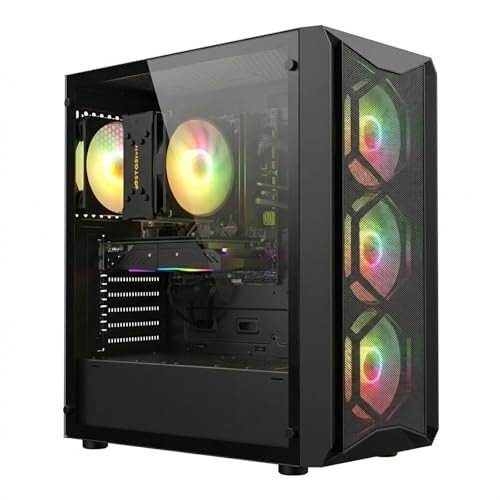
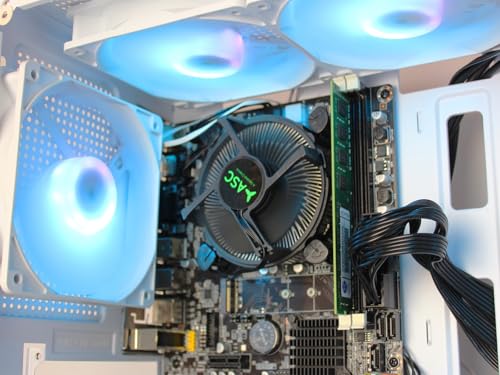
The build quality and cooling system of a gaming computer can impact its longevity and performance under load. Look for systems with robust cases that allow for adequate airflow to prevent overheating. Effective cooling solutions, such as multiple fans or liquid cooling systems, help maintain optimal temperatures during extended gaming sessions. Aesthetics, such as RGB lighting and case design, may also be a consideration for some users, but functionality and cooling should take priority. Ensuring a well-constructed system can enhance both performance and durability over time.
Footnotes
* Terms such as "best" and similar expressions reflect our personal assessment.
** Prices and availability may have changed since they were last retrieved. The price shown by the seller at the time of purchase applies.
Further important information
We may receive a commission if you make a purchase via the links on our site. This has no impact on the placement of the products on our site. Our website is part of amazon associates program - Amazon, Amazon Prime, the Amazon Logo and Amazon Prime Logo are registered trademarks of Amazon, Inc. or its affiliates. Disclaimer: