What matters when buying Beltgrinder
Material and Durability
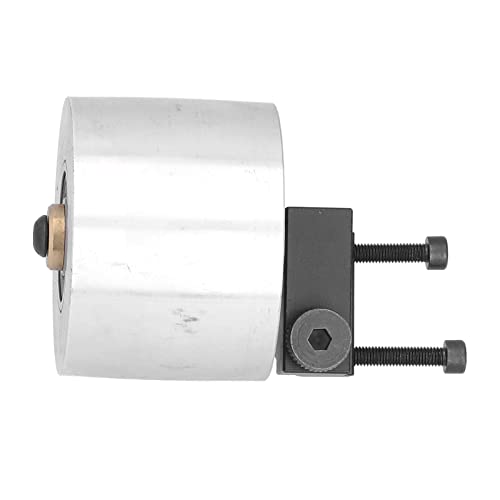
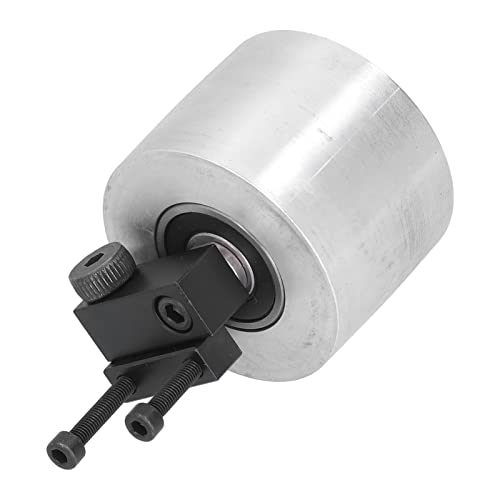
When selecting a belt grinder, the material of the wheels plays a crucial role in determining durability and performance. Common materials include aluminium alloy and steel. Aluminium alloy wheels are often preferred for their lightweight nature, which can contribute to reduced vibration during operation. They also tend to resist rust, making them suitable for various environments, including woodworking and metal polishing. Steel wheels, on the other hand, offer greater strength and longevity but may be heavier and susceptible to rust if not properly maintained. Consider the working conditions and the materials being processed to choose the most suitable wheel material.
Tracking Precision
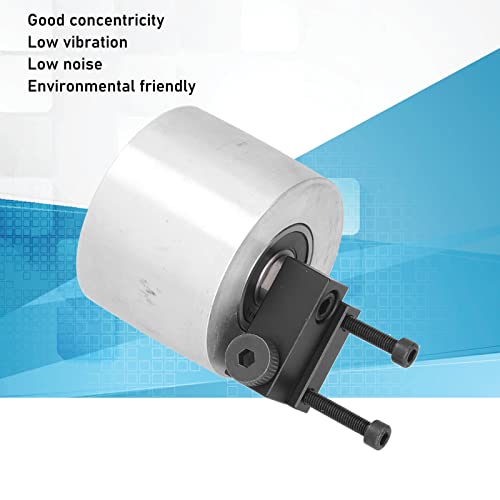
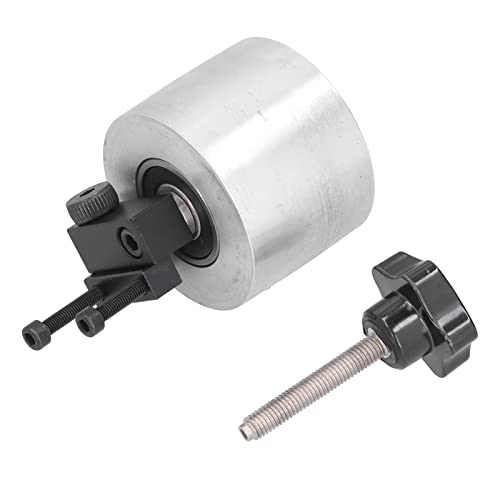
Tracking precision is essential for the effective operation of a belt grinder. A well-designed tracking wheel ensures that the belt remains aligned and centred during use, which can enhance efficiency and prolong the lifespan of both the belt and the grinder itself. Look for wheels that feature precision engineering, as this can significantly impact the overall performance of the grinder. Some wheels may offer adjustable tracking mechanisms, allowing users to fine-tune the alignment for various applications, which can be beneficial for specific projects.
Vibration and Noise Levels
Vibration and noise are important factors to consider when choosing a belt grinder. High levels of vibration can lead to operator fatigue and reduce the accuracy of the workpiece. Wheels designed with low vibration characteristics can help create a smoother operation, contributing to better results and a more comfortable working environment. Additionally, consider the noise levels produced during operation; quieter machines can be advantageous in workshops where sound levels are a concern. Look for wheels that are specifically noted for their ability to minimise vibration and noise.
Compatibility and Size
Compatibility with existing machinery is a fundamental aspect when choosing a belt grinder wheel. It is essential to ensure that the wheel fits appropriately with the specific belt grinder model being used. This includes checking the dimensions, such as the diameter and width of the wheel, as well as the shaft size. Some wheels may be designed for particular types of belt grinders, so verifying compatibility before purchase can save time and avoid potential issues during installation. Additionally, consider the intended use of the grinder; different sizes may be more suitable for specific tasks, such as intricate work or larger surface areas.
Footnotes
* Terms such as "best" and similar expressions reflect our personal assessment.
** Prices and availability may have changed since they were last retrieved. The price shown by the seller at the time of purchase applies.
Further important information
We may receive a commission if you make a purchase via the links on our site. This has no impact on the placement of the products on our site. Our website is part of amazon associates program - Amazon, Amazon Prime, the Amazon Logo and Amazon Prime Logo are registered trademarks of Amazon, Inc. or its affiliates. Disclaimer:
- The price shown may have increased since our last update.
- The sale takes place at the price stated by the seller at the time of purchase.
- Updating prices in real time is not technically possible.