- Glass type, frame width and window size determine compatibility
- Safety rope, backup power and attachment method matter on upper floors
- Edge cleaning, pad care and control options differ between models
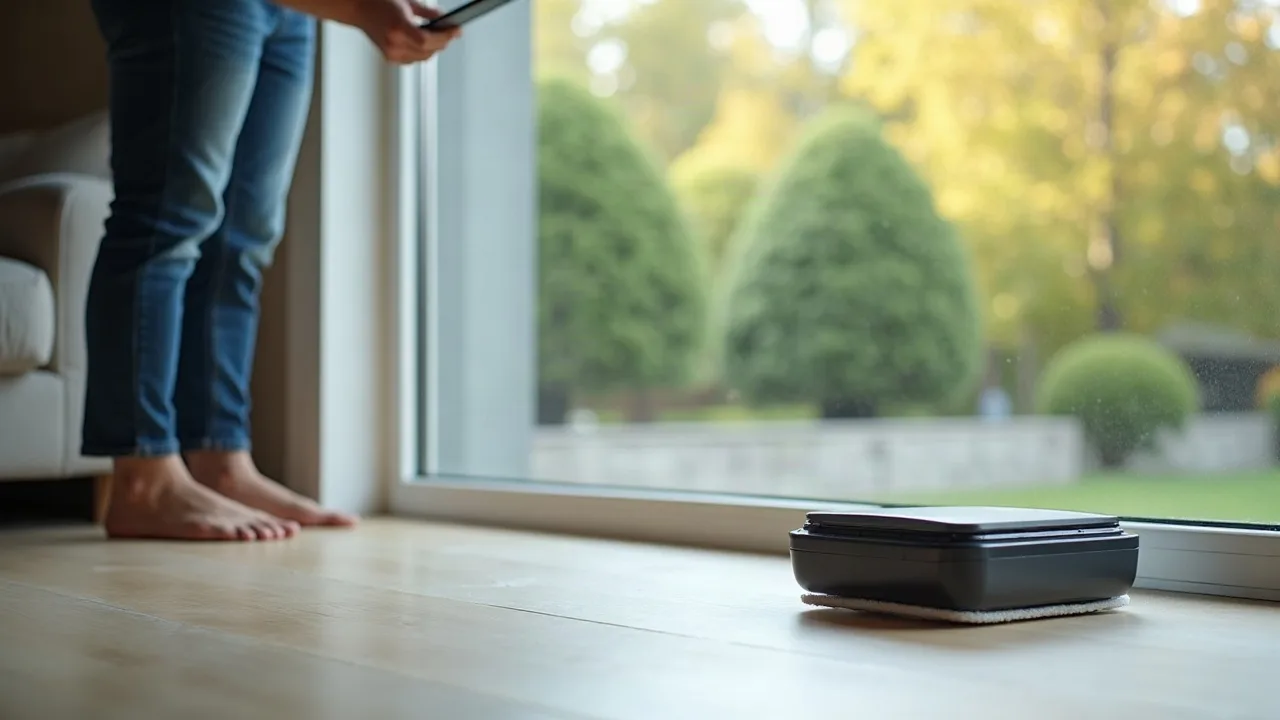
A Window Cleaner Robot attaches itself to glass, usually by suction, and moves across the surface while cleaning it with pads, brushes or a squeegee. The idea is simple, but the results depend heavily on the type of window, the level of dirt and the design of the device. Models also differ in how they handle edges, power cuts and upkeep. The questions below cover the points worth checking before buying.
Which windows and glass surfaces will it be used on?
Compatibility is the first consideration. Manufacturers generally publish limits for the surfaces their devices can work on, and these are worth reading closely.
- Framed or frameless glass: Framed windows give the robot a boundary to detect. Frameless glass, such as shower screens, glass balustrades or some conservatory panels, needs a model that can recognise an open edge. Not every device can do this.
- Size and shape: Very small panes may be too limited for a robot to turn on, while large patio doors may require several passes or repositioning.
- Frame width and glass thickness: Some devices specify a minimum frame width or a range of glass thickness. Heavily textured or patterned glass can also affect suction and movement.
- Coatings and tinting: Self-cleaning or specially coated glass may have restrictions. The instruction manual or manufacturer should be consulted first.
Sliding windows, tilt-and-turn designs and windows with raised bars or dividers can interrupt a robot's path. Where windows differ widely in type, it is worth checking which of them the device can actually handle.
How does the robot stay attached, and what happens in a power cut?
Most window cleaning robots hold onto the glass using a fan or pump that creates suction. Because the device may be working on an upper floor or an exterior surface, the safety design deserves close attention.
- Safety rope: A rope secured to a fixed point stops the device falling if suction is lost. A robot used on the outside of upper-floor windows should have one, and the rope must be anchored properly each time.
- Backup power: If the mains supply is interrupted, a built-in battery or similar backup can keep the device attached for a period. Specifications usually state how long this lasts and what the robot does when it activates.
- Cable length: Most devices connect to a mains adaptor, so the cable and any extension must reach the whole window area. Trailing cables across a room are a point to consider.
- Warning signals: An audible or visual alert for low suction is a useful addition, as the robot should not be left unattended if it detects a problem.
Even with these features, supervision is advisable, particularly on exterior glass. Manufacturers' guidance on use at height should be followed.
How well does it clean edges, corners and stubborn marks?
Edge and corner performance varies considerably. Many robots have a square or rectangular body to reach into corners, while round designs may leave small uncleaned areas. Some models include edge brushes or movable scrubbing parts that are intended to reach nearer the frame. Product descriptions use different terms for these systems, so it is worth looking at what each one actually does rather than relying on the name.
Other points that affect cleaning quality include:
- Cleaning method: Some use damp pads, some add spray nozzles, and others include a squeegee. Spray systems can help loosen dried-on dirt, though heavy deposits may still need manual attention.
- Water tank size: A larger tank may allow longer runs before refilling, but it also adds weight and bulk.
- Path planning: Devices follow either systematic patterns or simpler movement routines. Systematic paths tend to cover glass more evenly, but this depends on the individual model.
- Suction strength: Manufacturers sometimes quote suction figures. These are not always measured the same way, so they are most useful for comparing models from the same maker.
Streaks, drip marks along the bottom edge and residue near the frame are common limitations of this product type. A final wipe with a cloth may still be needed.
How much effort do control, maintenance and storage involve?
A robot saves time only if it is easy to set up and look after. Several practical points influence day-to-day use.
- Control: Some models have a remote control, some use a smartphone app, and some offer both. An app can give more settings, but a simple remote may be quicker for occasional use.
- Pad care: Cleaning pads need rinsing or replacing. Certain models come with a station that handles part of this, such as washing the pads. These stations add convenience but also take up storage space and need their own upkeep.
- Consumables: Replacement pads, cleaning solution and filters, where fitted, are ongoing considerations. Availability of spares should be checked.
- Noise: Suction fans can be audible. Specifications sometimes include a noise level, though real-world perception varies.
- Weight and storage: The device, power adaptor, rope and accessories need somewhere to be kept. Lifting the robot onto high windows is easier with a lighter unit.
- Setup time: Positioning the robot, attaching the rope and filling the tank all take a few minutes per window, which is relevant when only a few windows need cleaning.
For households with only a handful of accessible windows, a squeegee or telescopic cleaning tool may be sufficient. A robot tends to make more sense where there are many panes, hard-to-reach glass or a need to reduce physical effort.
Live from the comparison Ranking and prices: as of 19.11., 10:20

ECOVACS WINBOT W3 Omni Robot Window Cleaner with Auto Pad Washing & Multi-Functional Stati...
- Global No.1 Robot Window Cleaner – From ECOVACS, the Global No.1 robotic window...
- Revolutionary Vortex Wash Cleaning - The WINBOT W3 OMNI station automatically cl...
- Exclusive TruEdge Technology - The innovative scrubber actively lowers along edg...

Hobot LEGEE Q10 Robot Vacuum With Mop, Corner & Edge Cleaning Side Brush, 5,000PA, Tangle-...
- PRECISION CORNER CLEANING: The Hobot LEGEE Q10 robot vacuum cleaner features a 3...
- 4-IN-1 VACUUM & MOP SYSTEM: Combines a robot vacuum and mop in one. Vacuums, bru...
- POWERFUL 5000PA SUCTION WITH NO TANGLE DESIGN: Advanced front suction lifts dust...

In short: a Window Cleaner Robot is best chosen by matching its specifications to the actual windows. Glass type, frame width, safety features, edge cleaning and the effort of maintenance are the main points to compare. Reading the manufacturer's stated limits and keeping realistic expectations about streaks and edges helps avoid disappointment.