- Decide first whether the Robot is for cleaning, learning or play
- Check space, upkeep and age suitability before comparing features
- Read the specification for what is included, such as batteries, docks or remote controls
The word Robot covers very different products. A robot vacuum cleaner works unattended around the home. A programmable kit teaches basic coding and construction. An interactive toy responds to touch, voice or a remote control. They share a name but little else, so the first step is to be clear about what the Robot is meant to do. The questions below follow the order in which most buyers need to answer them.
What should the Robot actually be used for?
Most products fall into one of three broad groups, and the purpose affects every other decision.
- Household robots: robot vacuum cleaners, some with a mopping function and a base station that empties the dust bin automatically.
- Educational and building robots: kits that are assembled by hand, and programmable robots where commands are entered directly or sent from a controller. Examples include a build-your-own robot with a magnetic arm and a six-legged kit with an infrared sensor for steering around obstacles.
- Interactive and remote-control toys: robot dogs, spider robots and companion-style robots that sing, dance or react to touch.
A Robot bought as a gift for a child has different requirements from one that will run on a hard floor while the household is out. Settling this first avoids comparing products that are not alternatives to each other.
Is the Robot suited to the space and the user?
For a robot vacuum, the layout of the home matters more than most headline figures. Height is relevant if the unit needs to pass under sofas or beds, and some manufacturers state the body height of the device. Floor type is also worth checking. A model with a mopping function suits hard floors, but carpets need separate consideration, and the product description should say how the mop behaves on them. Homes with pets or long hair may want to look at how the brush system is designed to deal with tangles, since manufacturers describe this differently.
For a toy or educational Robot, age suitability is the main point. Manufacturers give a recommended age range, and this usually reflects both the complexity of the instructions and the presence of small parts. Building kits with screws, springs and many pieces suit users who can follow step-by-step assembly. Remote-control or touch-activated toys generally require less patience. It is also worth checking the size of the finished Robot. Some are tabletop-sized, while others are large enough to walk across a room.
Which features are useful and which are not?
Specifications are easier to judge when the terms are understood.
Robot vacuum cleaners
- Suction power is usually quoted in pascals (Pa). Manufacturers measure it in their own way, so figures are a rough guide rather than a precise comparison between brands.
- Base stations can empty the dust container automatically and, on some models, handle mop-related tasks. They save effort but need floor space near a socket.
- Mopping is a separate function from vacuuming. Check whether it is a single combined cleaning mode or whether the mop attachment needs to be fitted manually.
- Navigation and obstacle handling differ between models. Descriptions that mention pet homes or long hair usually refer to the brush design.
Educational and toy robots
- Programming method: some robots take commands entered on the Robot itself, others through motion control or a handheld controller, and some are simply remote-controlled.
- Sensors: an infrared sensor allows a Robot to steer around obstacles without being controlled by hand. This is different from a toy that only responds to a remote.
- Interaction: touch response, music, dancing and speech vary by product. Check the description to see which of these a specific model offers.
- Control range: remote-controlled models often use a 2.4GHz connection. This is a common standard and not a measure of quality.
Features add value only if they will be used. A building kit with no electronic features may suit someone who wants to learn how things fit together, while a companion-style Robot is aimed at play and interaction rather than education.
What does ownership involve after the purchase?
Running costs and upkeep are easy to overlook. A robot vacuum needs its brushes, filters and bin attended to, and replacement parts should be available for the model in question. A base station reduces how often the bin has to be emptied by hand, but it does not remove maintenance altogether. Water tanks and mop pads, where fitted, need cleaning too.
For toy and kit robots, the most practical points are power and contents. Check whether batteries are included and which type is needed, whether the Robot is rechargeable, and whether the box contains everything required for assembly. Durable materials such as ABS plastic are sometimes mentioned in kit descriptions, which is relevant if the Robot will be handled by younger users. Finally, look at the return and warranty terms offered by the retailer, particularly for larger household devices.
Connected robots may use an app or Wi-Fi. Where this is the case, it is sensible to confirm what the app does, whether it is required for basic use, and whether the product works acceptably without it.
Live from the comparison Ranking and prices: as of today 11:34
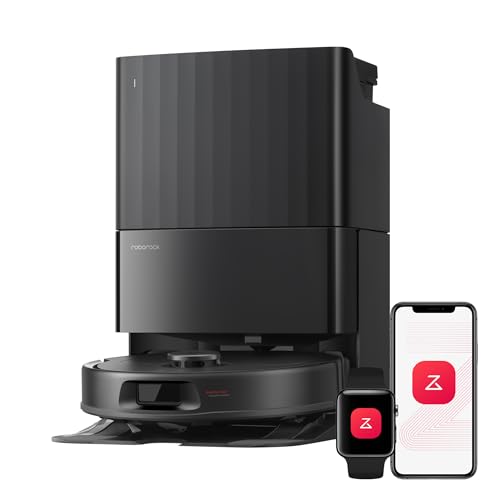
roborock Qrevo S Pro Robot Vacuum Cleaner with Mop, 18,500 Pa Suction | Upgraded from QV 3...
- 𝐀𝐥𝐥-𝐢𝐧-𝐎𝐧𝐞 𝐃𝐨𝐜𝐤 𝐟𝐨𝐫 𝐇𝐚𝐧𝐝𝐬-𝐅𝐫𝐞𝐞 𝐂𝐥𝐞𝐚𝐧𝐢𝐧𝐠 - The upgraded dock automatically emptie...
- 𝟏𝟖,𝟓𝟎𝟎 𝐏𝐚 𝐏𝐨𝐰𝐞𝐫𝐟𝐮𝐥 𝐒𝐮𝐜𝐭𝐢𝐨𝐧 - Engineered for strong everyday cleaning performance...
- 𝐀𝐧𝐭𝐢- 𝐓𝐚𝐧𝐠𝐥𝐞 𝐒𝐲𝐬𝐭𝐞𝐦 𝐟𝐨𝐫 𝐏𝐞𝐭 𝐇𝐨𝐦𝐞𝐬 - Built for homes with pets and long hair, the...

eufy Robot Vacuum C10,Self Emptying,8 Weeks Hands Free,Powerful Suction | Advanced Smart M...
- 𝟐.𝟖𝟓-𝐈𝐧𝐜𝐡 𝐔𝐥𝐭𝐫𝐚-𝐒𝐥𝐢𝐦 𝐁𝐨𝐝𝐲: C10 features a slim 2.85-inch design, enabling it to...
- 𝐂𝐚𝐫𝐩𝐞𝐭 𝐂𝐥𝐞𝐚𝐧𝐢𝐧𝐠: The strong 4,000 Pa suction power, combined with the rolling br...
- 𝐄𝐝𝐠𝐞 𝐄𝐱𝐩𝐚𝐧𝐬𝐢𝐨𝐧 𝐁𝐫𝐮𝐬𝐡: The edge expansion brush can help clean corners, improving...
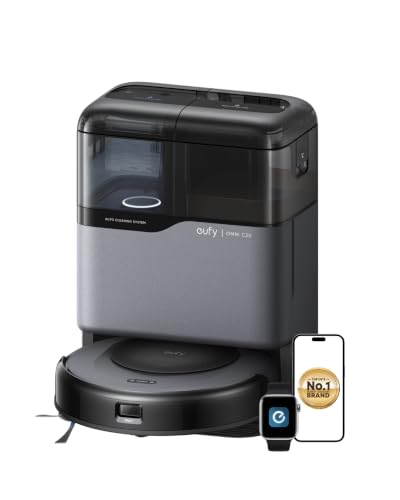
eufy Omni C20, Robot Vacuum Cleaner with Mop, All-in-One Station | 60 Days Self Emptying,...
- 𝐀𝐥𝐥-𝐢𝐧-𝐎𝐧𝐞 𝐒𝐭𝐚𝐭𝐢𝐨𝐧: eufy Robot Vacuum Omni C20 offers fully automated cleaning w...
- 𝟑.𝟑𝟓-𝐢𝐧𝐜𝐡 𝐔𝐥𝐭𝐫𝐚-𝐒𝐥𝐢𝐦 𝐁𝐨𝐝𝐲: Its ultra-slim 3.35-inch design allows the C20 to rea...
- 𝟕,𝟎𝟎𝟎 𝐏𝐚 𝐏𝐨𝐰𝐞𝐫𝐟𝐮𝐥 𝐒𝐮𝐜𝐭𝐢𝐨𝐧: Equipped with a robust 7,000 Pa suction, a rolling br...
In short: choosing a Robot is mainly a matter of matching the product type to the task, the space and the user. Household cleaners call for attention to floor type, height and maintenance. Educational and toy robots call for attention to age range, control method and what is included in the box. Comparing specifications within one category, rather than across them, gives the clearest picture.