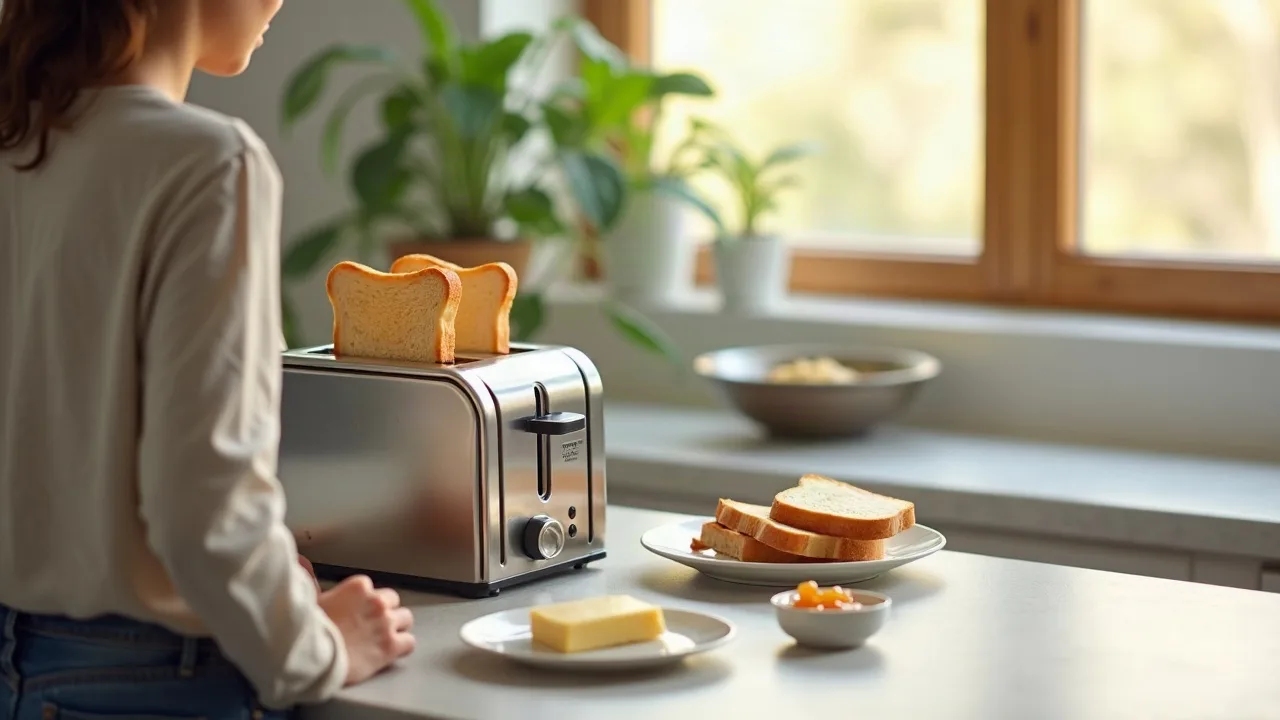

- Measure the space, including door clearance and ventilation
- Choose the split and freezer type to suit how food is shopped for and stored
- Check the energy label, noise information and frost-handling technology
A new kitchen is the point at which a refrigerator is easiest to plan around, because the layout, worktops and cabinetry can all be fitted to its dimensions. Choosing the wrong size or door arrangement is harder to correct once units are installed. Refrigerators differ in size, internal layout, frost handling, energy use and noise, and each of these affects how well an appliance suits a particular household. The questions below cover the points worth settling before comparing individual models.
How much space is available, and how will the door open?
Dimensions are the first filter. Freestanding fridge freezers are commonly sold in widths such as 55 cm and 60 cm, and heights vary considerably between models. Manufacturers list height, width and depth in the specification, and these figures should be compared with the planned space rather than estimated.
Several practical points are easy to overlook:
- Door clearance: the door needs room to open far enough for drawers and shelves to be pulled out. A nearby wall, a tall unit or an adjacent door can restrict this.
- Ventilation: most appliances need a gap at the back, sides or top for air circulation. The instruction manual or specification sheet gives the required clearance.
- Door hinge side: some models have reversible doors, so the hinge can be moved to suit the kitchen layout. This is worth checking if the position of the fridge relative to walls and worktops is fixed.
- Delivery route: hallways, door frames and stairs need to be wide enough for the appliance to reach the kitchen.
Freestanding and built-in models are different product types. Built-in appliances are designed to sit behind a cabinet door and have their own installation requirements, so the choice should be made before the kitchen units are ordered.
Which fridge and freezer layout suits the household?
Fridge freezers are usually described by the split between the two compartments. A 50/50 split gives equal space to fridge and freezer. A 60/40 split gives more room to the fridge section. Households that buy mostly fresh produce and chilled items may prefer more fridge space, while those that batch cook or buy frozen food in bulk may favour a larger freezer.
Total capacity is stated in litres, and it is worth separating the fridge and freezer figures, since the total can hide an uneven split. Some manufacturers also express capacity as a number of shopping bags, which is a loose guide rather than a standard measure.
The freezer star rating also matters. A four-star freezer is designed to hold temperatures of -18°C or colder and can be used to freeze fresh food, not only to store food that is already frozen. Lower-rated compartments are more limited in what they can do, so the rating should match the intended use.
Internal fittings are worth a look too. Salad crispers or vegetable drawers, adjustable shelves, door bins and LED lighting vary between models and affect everyday convenience. Some models include extras such as a water dispenser, which should be checked against the specification, as should whether it needs a plumbed connection.
Is frost-free technology needed?
Frost handling determines how often the freezer needs manual defrosting. The terms used by manufacturers are not always interchangeable:
- Total No Frost or NoFrost: air circulation is used to prevent ice build-up, so manual defrosting is generally not required.
- Low Frost: the aim is to reduce ice formation and make cleaning easier, but this is not the same as eliminating frost entirely.
- Standard (static) cooling: frost builds up over time and the freezer needs periodic defrosting.
Frost-free models save the effort of defrosting, though the technology may be found alongside other differences in size, layout and running costs. Whether it matters depends on how much maintenance a household is willing to do. The product description should state which system is used in the fridge section, the freezer section or both.
What do the energy label and noise rating indicate?
Refrigerators run continuously, so energy use is a long-term consideration. Appliances carry an energy label with a scale from A to G, and it shows the annual energy consumption in kilowatt-hours. Comparing that figure between models of similar capacity gives a clearer picture than the letter alone. The label also lists a noise level in decibels, which is relevant in open-plan kitchens or where the appliance is close to living areas.
Some models use an inverter compressor, which adjusts its speed to the cooling demand rather than switching fully on and off. Manufacturers describe this as a way of reducing noise and stabilising temperature, and the claim can be checked against the stated noise level on the label.
Other points to check include the climate class, which indicates the ambient temperature range the appliance is designed for. This can matter in a garage, utility room or conservatory. Temperature controls vary as well, with some models using a dial and others a display on the top of the fridge section.
Live from the comparison Ranking and prices: as of today 10:20
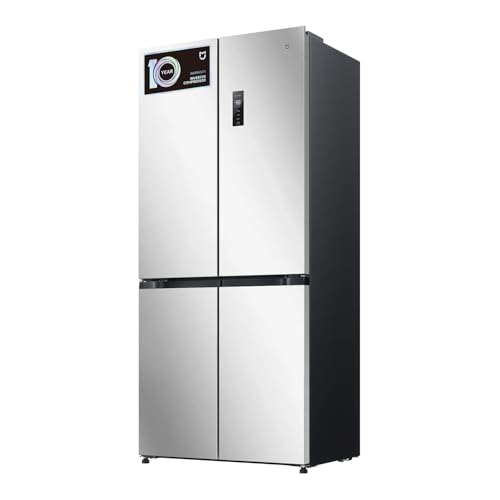
XIAOMI Mijia Cross Door Refrigerator 502L, No Frost, i Fresh Convertible Zone, Ag⁺ Antibac...
- [502L Flexible Multi-Zone Storage] Designed for modern family needs, the spaciou...
- [Stay Cool This Summer] Stay cool all summer with a spacious 176L freezer, 2 fre...
- [Dual Inverter Energy-Efficient Cooling] The dual inverter system intelligently...
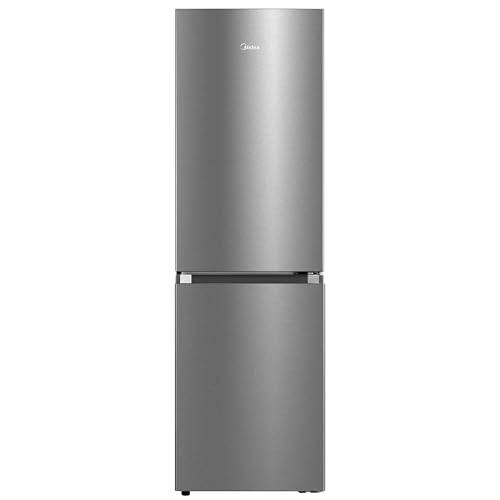
Midea 273L Frost Free Fridge Freezer with Inverter Compressor, MDRB379FGD02 | 60/40 Split,...
- Spacious 273L Capacity for Family Storage - With 273L total capacity, including...
- Total No Frost Cooling System - The Total No Frost air circulation system preven...
- Inverter Compressor with Quiet Operation - The inverter compressor automatically...

LG NatureFRESH GBBS524CEV 60/40 Fridge Freezer - Essence Black Steel
- Dimensions: 203 x 59.7 x 67.5 cm (H x W x D)
- Capacity: Fridge 262 litres, Freezer 113 litres
- No Frost Technology: No manual defrosting, fresher food
Conclusion
Choosing a refrigerator for a new kitchen comes down to matching measurements, layout and features to the way the household uses it. Space and door clearance set the practical limits, the split and star rating determine how storage is used, and frost handling and the energy label affect upkeep and running costs. Checking these points against the manufacturer specification narrows the field before individual models are compared.